

Owning a private aircraft means flying on your own terms. It is also one of the biggest purchases you will ever make. This guide walks through the real costs, the checks that protect you, and the alternatives, from owning outright to chartering only when you need it.
1.Decide if owning makes sense
Start with how much you will actually fly. A common rule of thumb is that full ownership starts to make financial sense at around 300–400 flight hours a year. Below that, chartering or shared ownership is usually cheaper.
Ask yourself:
- How many hours a year will I fly, and how many passengers do I usually carry?
- What distances: short island hops, regional trips or long range?
- Where do I need to land? Big airports, short runways, or water?
- Do I want to manage an aircraft, or just use one?
2.Know what it really costs
The purchase price is only the beginning. These are typical price ranges in US dollars; actual prices vary widely with age, hours and condition.
| Aircraft type | Typical seats | Approximate purchase price |
|---|---|---|
| Single-engine piston or floatplane | 3–6 | from about US$150,000 used |
| Turboprop | 6–10 | about US$1–7 million |
| Light jet | 4–7 | about US$2–10 million |
| Midsize jet | 7–9 | about US$10–25 million |
| Large-cabin jet | 10–16 | US$30 million and up |
Approximate ranges for orientation only. New aircraft cost more; older aircraft cost less to buy but often more to maintain.

Running costs
Every year you will also pay for:
- Fuel, landing fees, parking and hangar
- Scheduled maintenance and engine reserves
- Insurance
- Pilots, training and crew expenses
- Management, if you do not run the aircraft yourself
Keep a financial buffer. Unscheduled repairs can arrive with little warning, and big maintenance events can cost a large share of the aircraft's value.
3.Know the aircraft's history
Two aircraft of the same model can differ hugely in value because of where they are in their maintenance cycle. Before you buy, find out which major inspections are due and when, and how many hours remain on the engines and key components. You do not want to buy an aircraft and face a major inspection two months later.
4.Insist on a pre-buy inspection
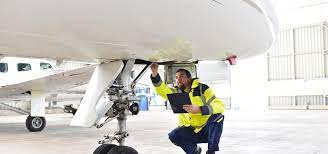
Never skip it. An independent, approved maintenance organisation should inspect the aircraft from nose to tail, and check every logbook, engine record and airworthiness document. The inspection protects your money and, more importantly, your safety. Missing logbooks or unexplained gaps in the records are a serious warning sign.
5.Fly it before you buy it
Take a demonstration or test flight. Check the cabin, the noise, the view and how it handles your typical trip. What looks perfect on paper may not suit how you actually travel.
6.Compare owning, leasing and sharing

- Full ownership: total control and availability, and full responsibility for every cost.
- Dry lease: you lease the aircraft only and provide your own crew, maintenance and insurance. Usually for longer periods.
- Wet lease: aircraft, crew and support included. Usually for shorter periods.
- Fractional ownership or jet cards: you buy a share or block of hours instead of a whole aircraft.
- On-demand charter: no ownership at all. You pay per flight, only when you fly.
7.New or used?
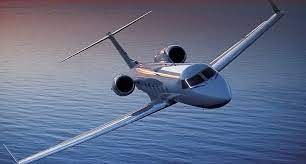
A new aircraft comes with a warranty and the latest equipment, but often a long delivery wait and a higher price. A used aircraft offers more choice and better negotiating power, but its history matters even more, especially if it has been used for charter.
8.Get expert help

- A broker or consultant to find the right aircraft and negotiate.
- An aviation lawyer and tax adviser for ownership structure, import and registration.
- A finance specialist if you are borrowing. Terms depend on the aircraft's age, type and use.
- An operations and maintenance partner who knows the local rules. In the Philippines, aircraft registration and operations are overseen by the Civil Aviation Authority of the Philippines (CAAP).
Not every trip needs a jet
A jet is perfect between major airports. But many of the Philippines' most beautiful places, island resorts, lagoons and remote coasts, have no runway at all. That is where a seaplane comes in: it lands on the water, right where you want to be.
In Palawan, many private travellers fly into Puerto Princesa and continue by private seaplane: about 50 minutes to El Nido instead of more than 5 hours by road, and about 45 minutes from El Nido to Coron. You get the privacy of your own aircraft, without the cost of owning one.
How Horizon Sun Charters can help
Thinking of buying or operating a small aircraft or seaplane in the Philippines? Our team brings decades of flying and maintenance experience, and we hold an Air Operator Certificate (AOC) and an Approved Maintenance Organisation (AMO). We can support you with operations, maintenance and certification consultancy.
Fly private in Palawan, or own your own aircraft
Charter a seaplane, or talk to us about buying and operating your own aircraft.
Get my price Consultancy