
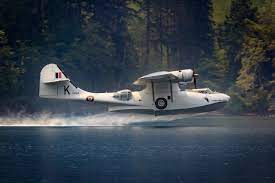
Seaplanes are aircraft that can take off from and land on water: the sea, rivers or lakes. Some can also use runways; these are called amphibians.
The first seaplanes
The seaplane is almost as old as the aeroplane itself. Pioneers in France, the United States and elsewhere saw that water offered a runway that already existed, perfect for places without airfields or roads.
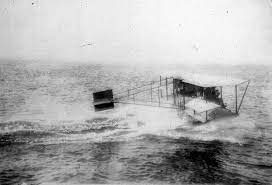
The first successful powered seaplane flight was made in 1910 by Frenchman Henri Fabre, near Marseille. His success inspired other designers, and within two years navies were ordering seaplanes of their own.
In the United States, aviation pioneer Glenn Curtiss flew his first successful seaplane in 1911. He soon added wheels that could be used alongside the float, creating one of the first amphibians. In 1912 he went further and built a hull-shaped fuselage: the first flying boat. The U.S. Navy quickly began buying Curtiss seaplanes.
Seaplanes and the first airlines
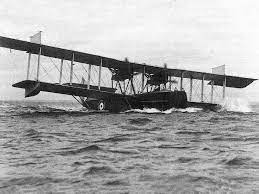
In 1913 the British newspaper Daily Mail offered a £10,000 prize for the first non-stop flight across the Atlantic. Flying boats were developed with that goal in mind, and the First World War sped up their design even more.
In the 1920s and 1930s, flying boats became the airliners of their day. With few long runways in the world, they carried passengers and mail across oceans and between continents, landing in harbours and bays.
After the Second World War
After 1945, the use of large seaplanes fell quickly. There were several reasons:
- Better land aircraft. More powerful engines, then jets, made land planes faster and able to carry far more passengers.
- New airports everywhere. The war left long runways around the world, so water landings were no longer needed.
- Weight and drag. A strong hull built for waves is heavy and less streamlined, so flying boats were slower and less efficient.
- Rough water. Strong waves and hard landings could damage hulls, limiting where and when they could operate.
Still, seaplanes never disappeared. They remain essential for firefighting, search and rescue, naval missions, and reaching remote islands and lakes, and some of the world’s navies and air forces still operate them.
Floatplanes
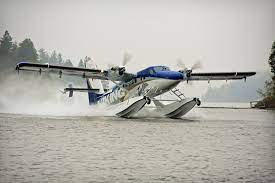
Floatplanes sit on two floats, or pontoons, mounted under the fuselage. The floats carry the whole weight of the aircraft on the water, so the fuselage never touches it. The design is simple and robust, and it can be fitted to many land aircraft.
Amphibious floats include retractable wheels, so the aircraft can also land on a runway. Famous floatplanes include the de Havilland Canada DHC-2 Beaver, the type Horizon Sun Charters flies in Palawan, and the larger DHC-3 Otter and DHC-6 Twin Otter.
Flying boats
In a flying boat, the fuselage itself is the boat. Its hull is built strong enough to land on open water, and small floats under each wing keep it steady on the surface.
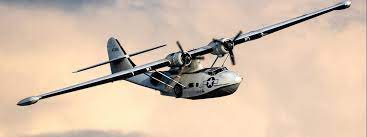
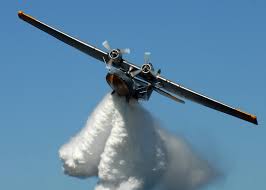
Flying boats were the most important seaplanes of both world wars, because they needed no runway at all. After 1945, many were used to carry cargo and supplies, and some, like the famous PBY Catalina, were converted into water bombers that scoop water from lakes or the sea and drop it on forest fires.
Modern seaplanes
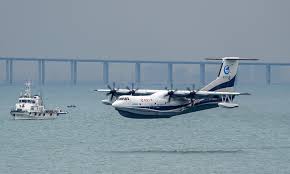
The story continues today. Manufacturers such as Cessna and de Havilland Canada still build aircraft that fly on floats, and companies like Setouchi Seaplanes in Japan use them for tourism. China’s AG600 is one of the largest amphibious aircraft ever built, designed for firefighting and maritime rescue, with a maximum take-off weight of more than 50 tonnes.
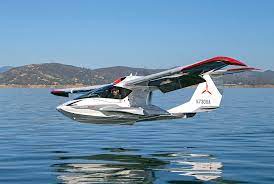
At the other end of the scale are small personal amphibians such as the ICON A5, SeaMax M22 and Seawind 300C. These light aircraft give private pilots the freedom to land on lakes, rivers and runways alike.
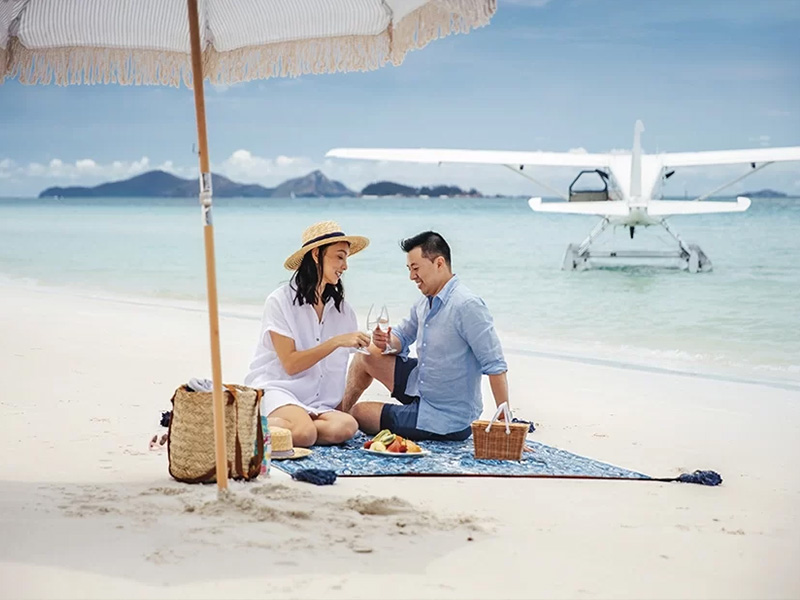
Fly by seaplane in Palawan
Experience a water take-off with Horizon Sun Charters over the landscapes of Palawan. Choose a scenic flight, a private transfer to your island resort, a charter tailored to your plans, or a day adventure or expedition to remote islands like Balabac.
From the moment you contact us, we plan every detail with you.
Let your seaplane adventure begin
Tell us where and when. Captain Raymond replies with your private flight price, usually within the day.
Plan my flight