
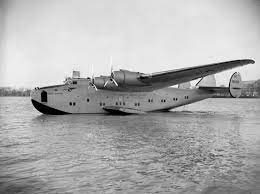
For years, flying boats, aircraft that took off and landed on water, were the backbone of long-distance air travel. Then, almost suddenly, they were gone. Why did aviation move to runways? Here is a look at a fascinating and almost forgotten chapter of flying.
Why flying boats made so much sense
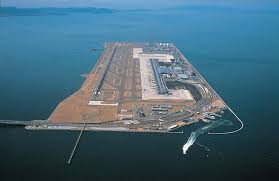
Airports are expensive. They cost huge sums to build, and they need a great deal of flat land for long runways, ideally close to the city they serve. Cities often have to compromise, and some have gone as far as building an artificial island in the sea just to have room for an airport.
Water offered another way. Many of the world’s great cities sit on rivers, harbours or bays, and all that water makes a natural runway.
The advantages were clear. No runway had to be built, boats could use the same water when no aircraft was landing, and pilots could take off and land into the wind from almost any direction.
Cities such as New York, Sydney and Wellington all relied on flying boats in their early days of international air travel.

What happened to flying boats?
The Second World War changed everything. Military forces built airfields with long, hard runways all over the world. When the war ended, airlines suddenly had a global network of land airports, and long routes such as the “Kangaroo Route” between Australia and Britain no longer needed water landings.
Without the need for a boat-shaped hull, designers could build sleeker, faster aircraft. Flying boats carried extra weight and drag, so they were slower and less efficient in the air. When jet airliners arrived in the 1950s, the gap in speed became impossible to close.
That speed difference sealed the fate of the large passenger flying boat.
Seaplanes still play a role
Flying boats did not vanish overnight. Some airlines kept flying them into the 1970s to serve places without an airport. Today, smaller seaplanes and floatplanes still connect remote communities in Alaska and Canada, serve island nations, fight forest fires, and carry travellers to places no runway can reach, including Palawan in the Philippines with Horizon Sun Charters, flying a classic DHC-2 Beaver on floats.
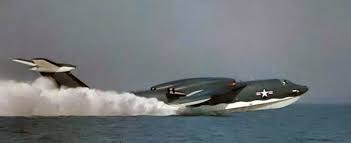
There was even a jet-powered flying boat. In the 1950s the U.S. Navy tested the Martin P6M SeaMaster, a fast jet seaplane designed for military missions. Some imagined a passenger version one day, but the program lost out in the competition for funding and was cancelled before entering service.
Flying boats played a huge part in the history of aviation, bringing aircraft to places with no room for an airstrip, let alone an international airport. Their spirit lives on every time a seaplane lifts off the water.
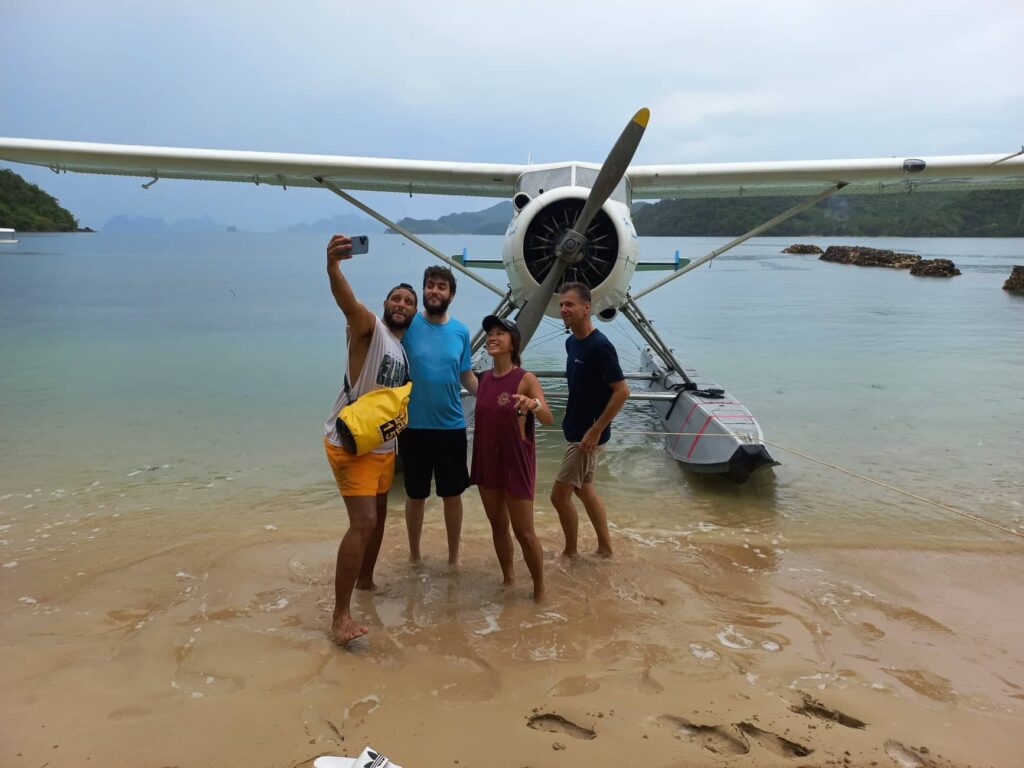
Fly by seaplane in Palawan
Experience the thrill of a water take-off with Horizon Sun Charters over the landscapes of Palawan. Choose a scenic flight for the views, a private transfer to your island resort, a charter tailored to your plans, or a day adventure or expedition to Palawan’s most remote islands.
From the moment you contact us, we plan every detail with you, so you can enjoy the water, the forests and the coastline from above.
Let your seaplane adventure begin
Tell us where and when. Captain Raymond replies with your private flight price, usually within the day.
Plan my flight